Credit: Open Access Government
A potential new firefighting tool called “FireDrone” can enter burning structures to scope out flames and provide real-time information on occupants.
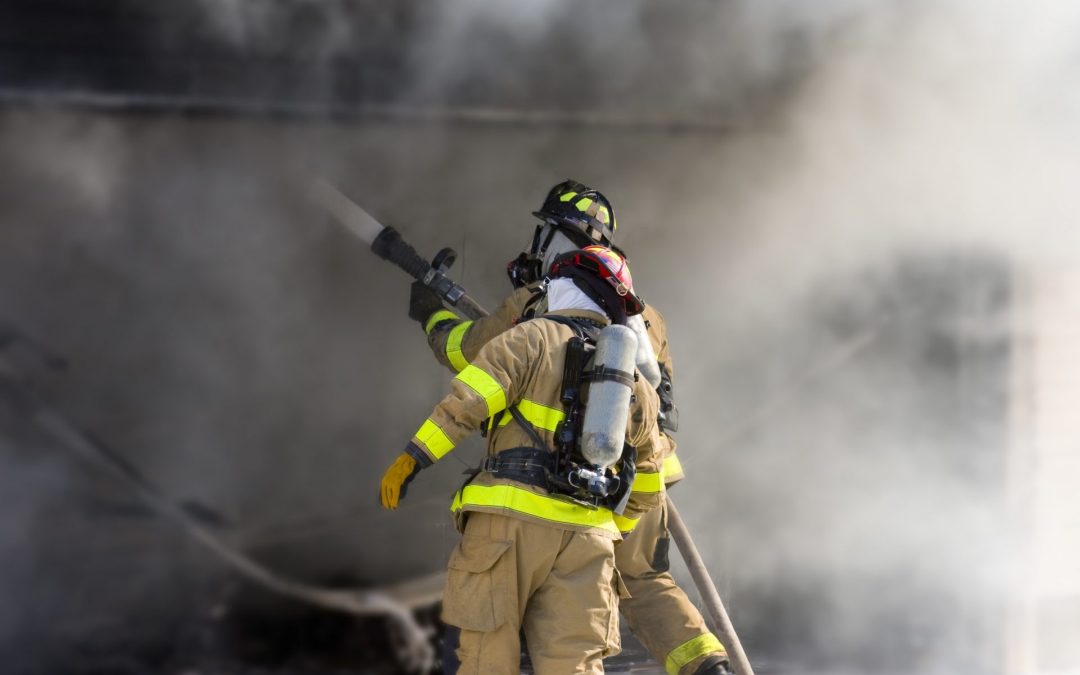
In order to capture overhead imagery, raise fire hoses up buildings, or drop fire retardant in far-off locations, drones are already utilised in firefighting.
The extreme temperatures would cause the current generation of firefighting drones to melt, and their electrical systems would malfunction, preventing them from flying much closer.
According to fireman interviews, drones that could reach considerably closer to buildings might actually help first responders get ready to approach blazing structures or wooded areas.
Therefore, scientists sought to create a new drone with cameras and carbon dioxide (CO2) sensors that may deliver vital details on the structure and makeup of flames.
Five minutes while enduring temperatures of up to 200 °C
This drone, created in partnership by Imperial College London and Empa, can tolerate extreme heat while providing emergency responders with crucial first-hand information from inside dangerous zones.
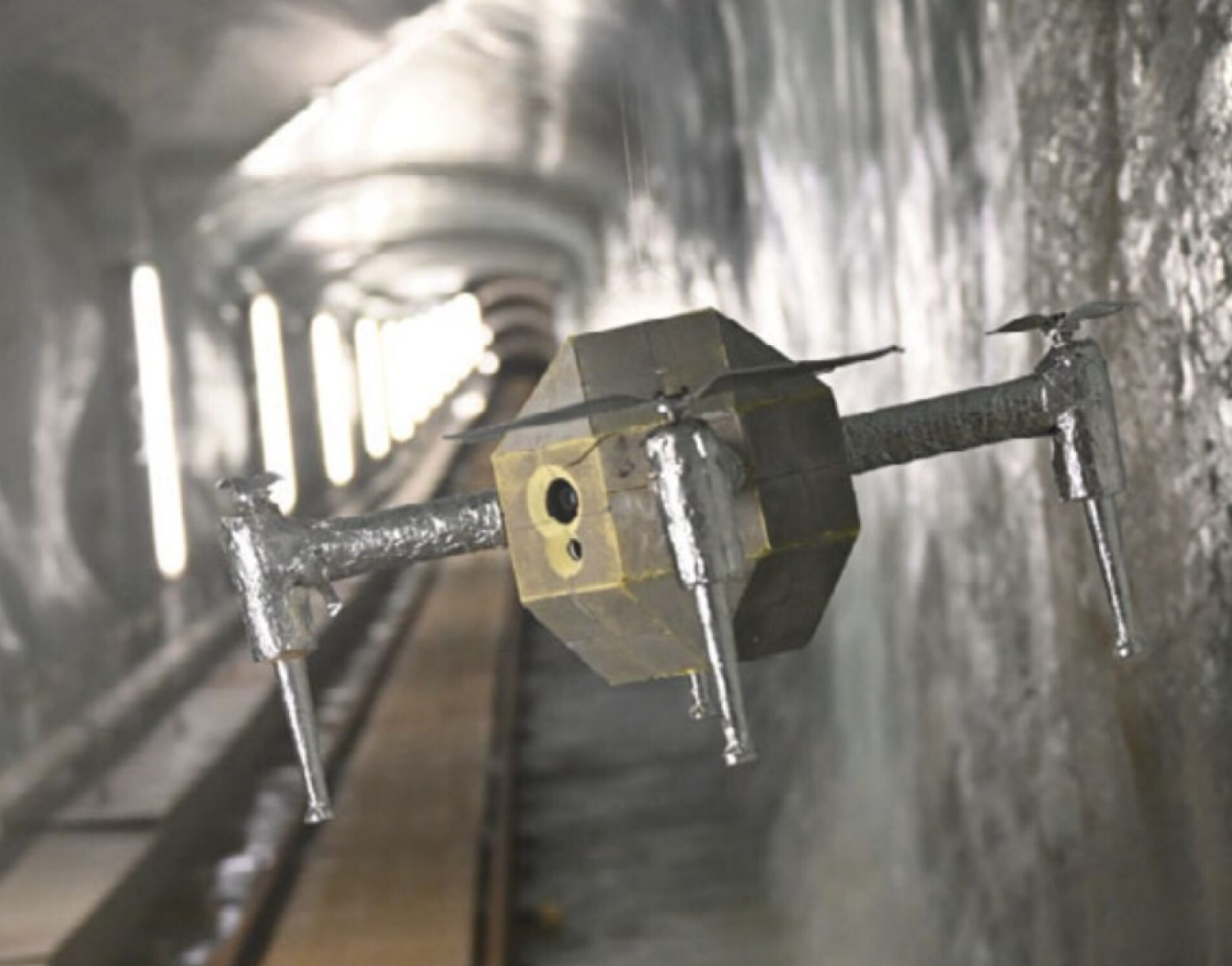
The drone has a built-in cooling system and is comprised of a novel thermal aerogel insulation material, which enables it to resist temperatures of up to 200°C for 10 minutes.
The newest firefighting device, FireDrone, which is presently in the prototype stage, might someday be used to scan flames for humans and other threats, according to the researchers.
Taking cues from thermoregulating substances
The penguin, arctic fox, and spittlebug, which all have the proper layers of fat and fur or create their own layers of thermoregulating material that allow them to exist in harsh environments, served as inspiration for the researchers.
They developed a protective structural shell using this firefighting technique, comprised of thin, thermally super-insulating elements such as polyimide aerogel and glass fibres.
After that, a super-reflective aluminium coating was applied to the drone to reflect heat. This means that after being exposed to high temperatures, the super-insulation stops the materials from contracting and the pore structures from deteriorating.
Its temperature-sensitive parts were contained within the protective exoskeleton and included:
- Regular and infrared cameras
- CO2 sensors
- Video transmitters
- Flight controllers
- Batteries
- Radio receivers.
The firefighting technique can resist temperatures that are both very hot and very cold
The researchers created a cooling system using the gas released and evaporated from the CO2 sensors to maintain temperatures.
They flew the drone quite near to flames at a firefighter training facility and tested it in temperature-controlled chambers.
To learn how the system operates in extremely cold conditions, it was also put to the test in a glacier tunnel in Switzerland. FireDrone has been used successfully in polar regions, glaciers, and extremely cold situations since it was designed with inspiration from arctic creatures.
“Firefighters cannot know what or who they will find or what difficulties they will face until they approach the danger zone”, according to principal investigator Professor Mirko Kovac of Imperial College London and Empa.
FireDrone might be dispatched ahead of time to gather vital data, noting trapped persons, building layouts, and unanticipated risks, so that rescuers can plan properly to keep themselves safe and possibly save more lives.
“Drone applications are frequently constrained by external conditions, such temperature. We show how to get around this, and we’re certain that our research will help drones work more effectively in harsh situations in the future.”
“Deploying robots in extreme environments provides great benefits to reducing risks to human lives, and who better to look to than animals that have evolved their own ways of adapting to these extremes using inspirating from how animals keep cool in heat.”
To reach the Global Drone News editorial team on your feedback, story ideas and pitches, contact us here.